



دستگاه نورد میله ای
/Navigating the intricate world of metal fabrication, the round bar rolling machine stands out as an indispensable asset in modern manufacturing processes. This sophisticated piece of equipment transforms raw material into precise cylindrical shapes with unparalleled efficiency and precision. As industries lean more towards automation and accuracy, understanding the functionality, advantages, and maintenance of these machines becomes imperative. The prowess of a round bar rolling machine lies in its ability to convert billets, essentially semi-formed metal pieces, into round bars of various diameters and lengths. Utilizing multiple sets of rolls, the machine applies controlled force to deform the metal plastically. The process involves three primary sequences pre-heating, rolling , and cooling. Pre-heating prepares the billet, enhancing its malleability and ensuring uniformity during rolling. The rolling phase is where the magic happens—the carefully calibrated rolls press against the heated billet in a systematic fashion, transforming it with high precision. Finally, the controlled cooling process retains the structural integrity and strength of the freshly milled round bars. Those who have firsthand experience with round bar rolling machines know that it's not merely about processing materials; it’s about tailoring to meet specific industry standards and demands. Commonly serving the construction, automotive, and machinery sectors, these machines greatly influence product performance quality. A critical advantage is the machine's capacity to produce round bars with minimal material waste. Thanks to highly optimized processes, manufacturers can achieve desirable surface finishes and dimensional tolerances without excess scrap, maximizing cost-effectiveness and sustainability. Expertise in operating these machines reveals more nuanced benefits. The adaptability of round bar rolling machines allows them to accommodate different materials—be it stainless steel, aluminum, or more exotic alloys. Operators with technical expertise can finetune the rolling parameters to accommodate variabilities in metal grades and properties, maintaining consistency and reducing potential defects. Advanced models now benefit from automation and digital controls, which enhance repeatability and reduce manual oversight. Such enhancements also integrate predictive maintenance capabilities, alerting operators about potential wear and necessary interventions, thereby mitigating downtime and extending machine lifespan. round bar rolling machine Round bar rolling machines also earn points in authoritativeness through compliance with international manufacturing standards. Accredited manufacturers ensure their machines align with global quality certifications, which translates to trust and reliability for end-users. Businesses leveraging such machines must stay abreast of evolving standards and invest in models that not only meet current specifications but also offer upgrade paths for future compliance. Building trust in round bar rolling machine operations involves a commitment to quality and safety standards. Routine maintenance checks and rigorous operator training underscore the ethos of dependability. Ensuring that all components function at optimal capacity not only enhances machine life but also safeguards workers. Companies recognized for their continuous investment in employee education and safety adherence are often perceived as leaders in responsibly using this industrial powerhouse. In conclusion, the round bar rolling machine is a remarkable testament to engineering excellence and precision technology. Its role in enabling high-quality metal production positions it as a cornerstone in numerous industries. When effectively utilized and maintained, these machines promise efficiency, economic viability, and integrity in product development. For industry professionals and businesses dedicated to staying at the forefront of fabrication technology, mastering the art and science of the round bar rolling machine is not just an option—it’s a necessity.

We have successfully executed over 500
projects around the world,
many first-of-their-kind
research projects and products in China, including
We have successfully executed over 500
projects around the world,
many first-of-their-kind
research projects and products in China, including
-
2004
The 1st hydraulic AGC system for hot rolling of ribbon steel
-
2006
The 1st AFC system used for 1450mm skin pass mill
-
2009
The 1st 5-stand tandem line with 2-stand POR & Uncoiler for 650mm ribbon steel
-
2012
The 1st reversing mill for 1380mm strip
-
2016
The 1st soft-rolling system used in skin pass mill
-
2019
The 1st fully automated medium-width tandem cold rolling mill
-
2021
The 1st 5000KN Twin-stand double skin pass mill
-
2022
The 1st coupled pickling line & tandem cold mill with two modes - big roller & small roller
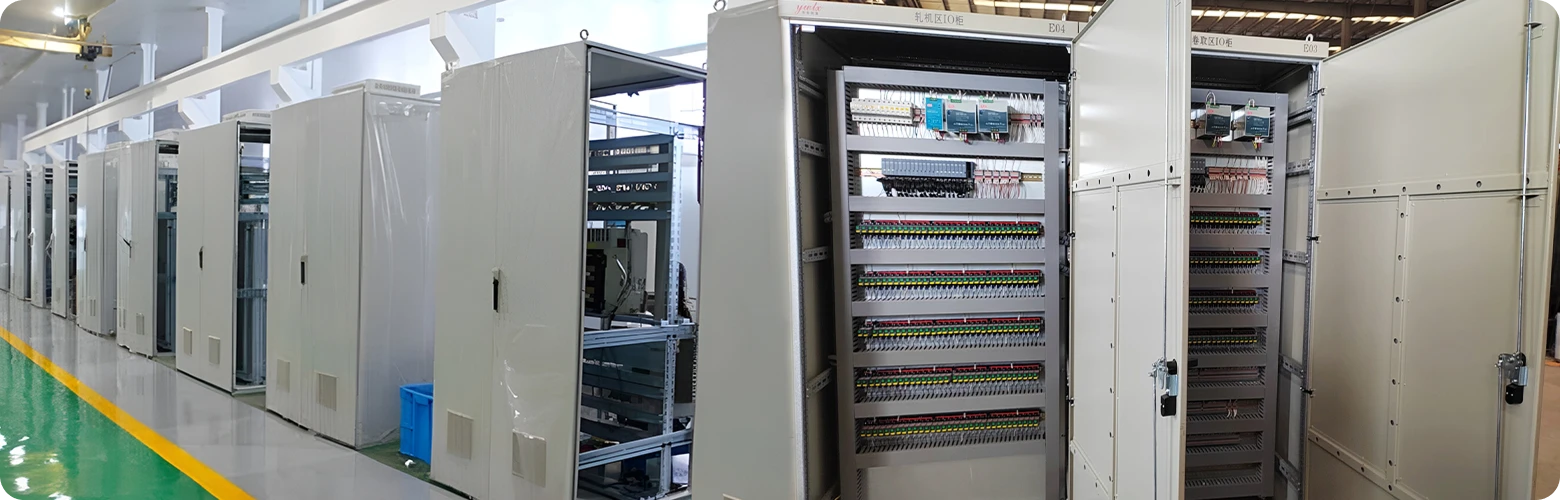

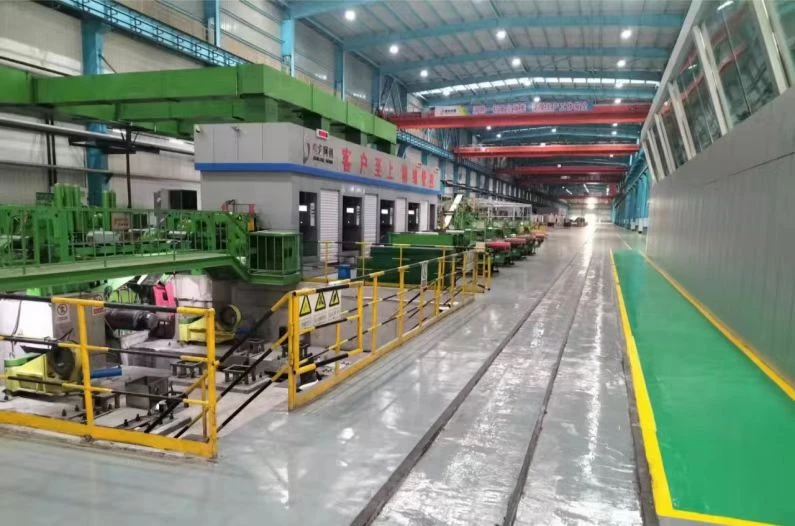
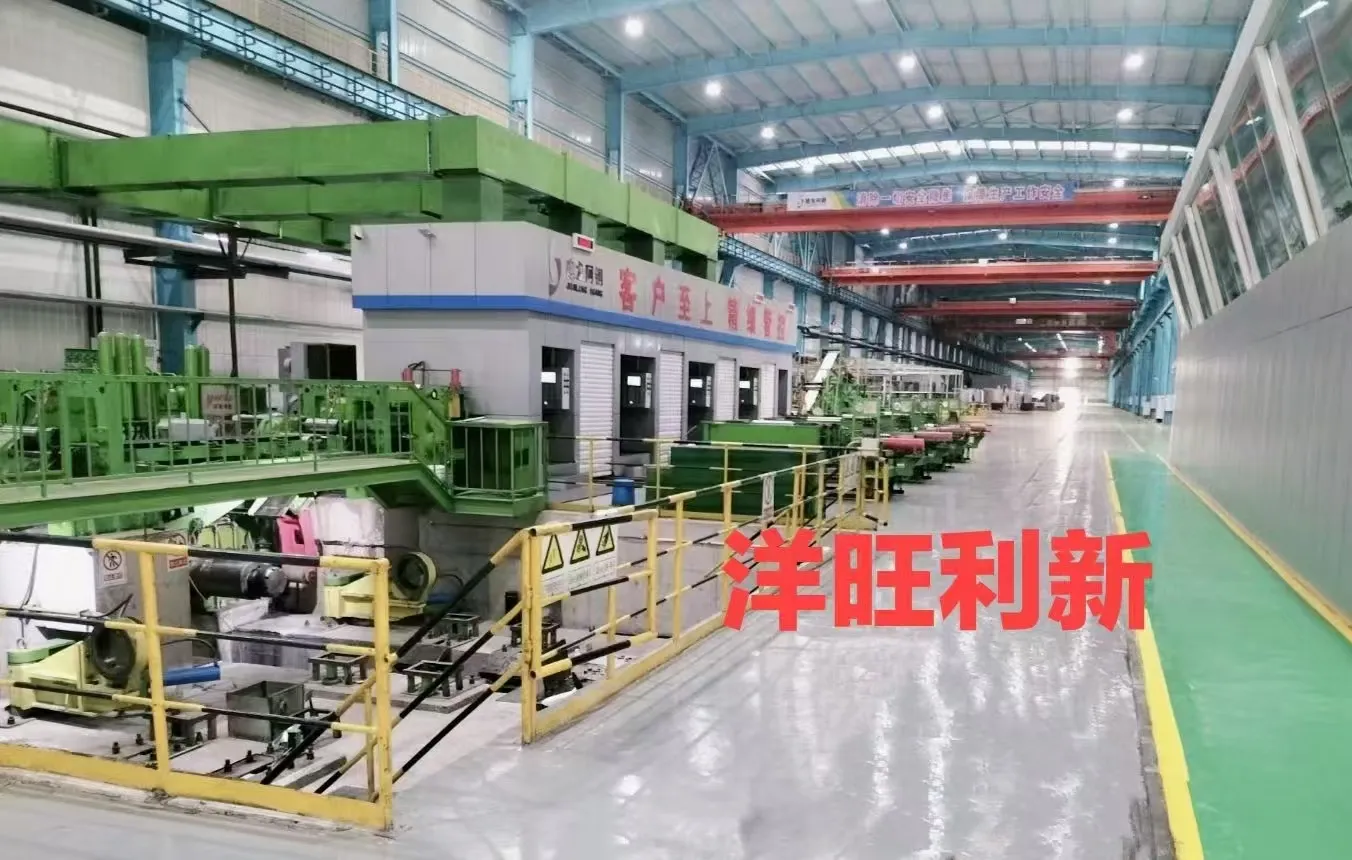
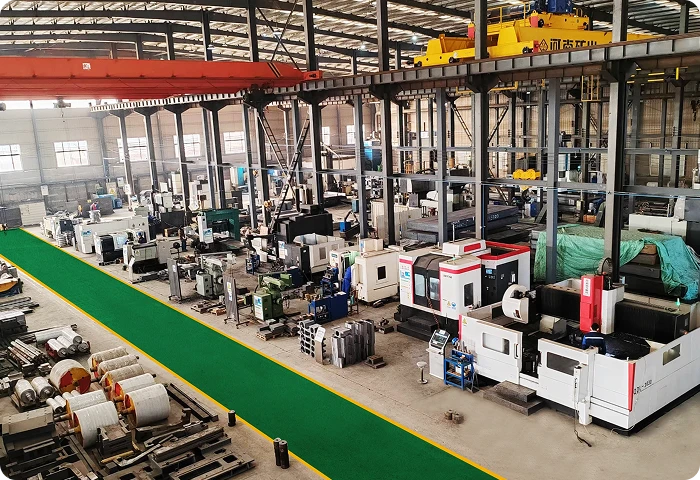
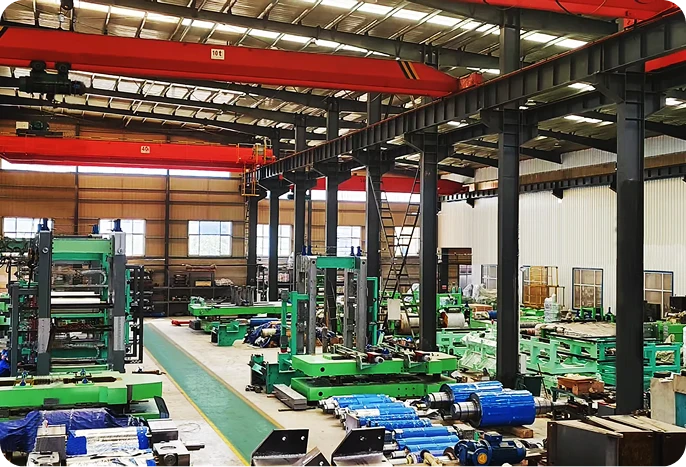
Yang Wang Li Xin operates a state-of-the-art facility over 66,000 square meters,and our manufacturing facility is fully equipped with high-tech machinery and high-capacity cranes. This enables us to handle large work pieces measuring 4.5m in width, 10m in length, and 1.5m in height, guaranteeing our capacity to produce 1800mm skin-pass mills and 1450mm rolling mills. The individual piece can weigh up to 100 tons.


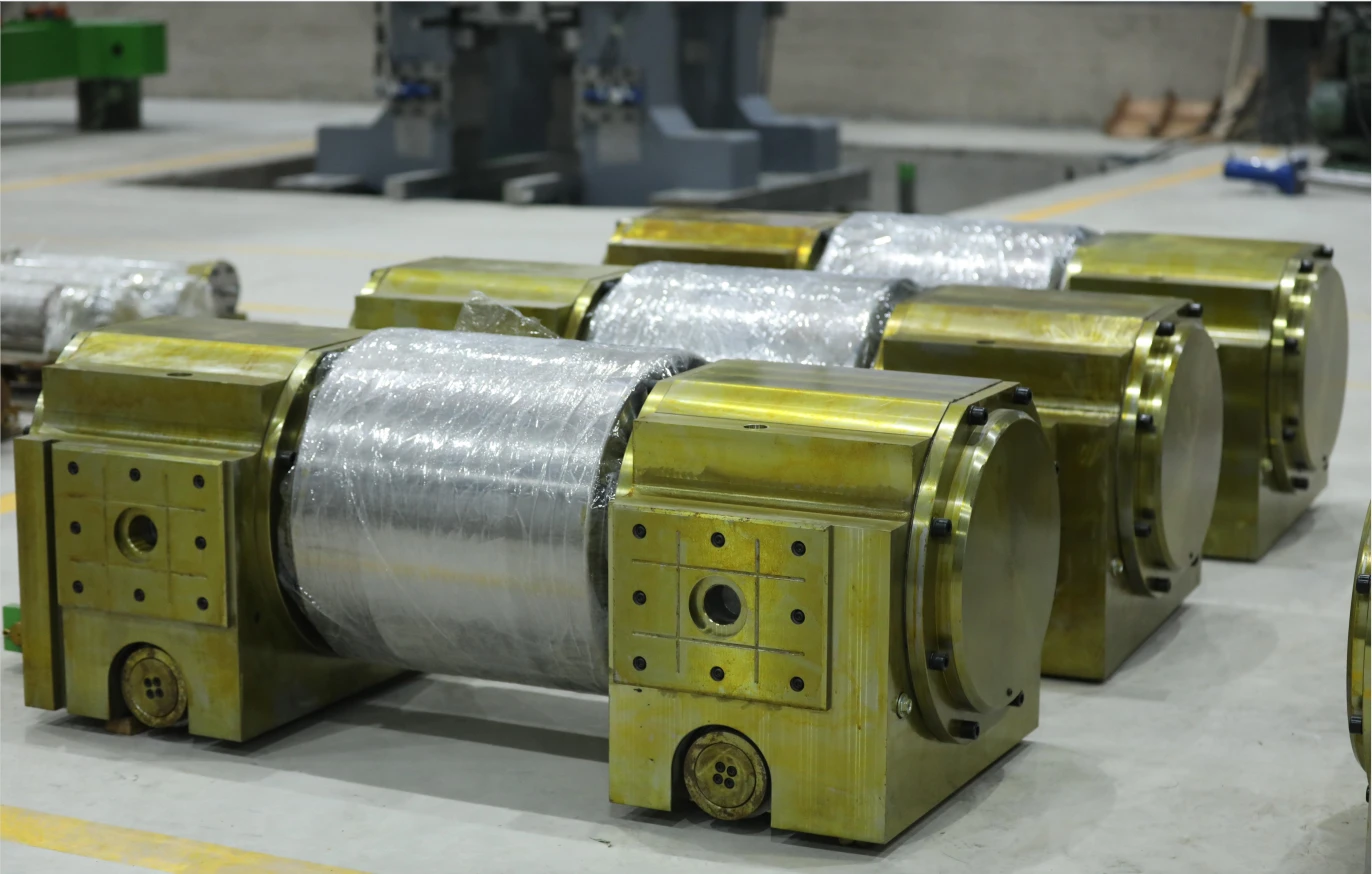
Quality is fundamental to the enterprise survival. We have established a comprehensive and meticulous quality management system and have successfully obtained ISO14000 certification. Starting from the design source, it supervises the entire production cycle, including design, procurement, processing, assembly, in-factory testing, installation, and online commissioning. The workshop is equipped with measuring tools like vernier calipers, spectrometers, hardness testers, and ultrasonic flaw detectors. They are used to check materials and control tolerances to ensure the final equipment meets or exceeds requirements. All products have a unique code, This enables the easy identification and traceability of the equipment components and ensures full control of quality.


-
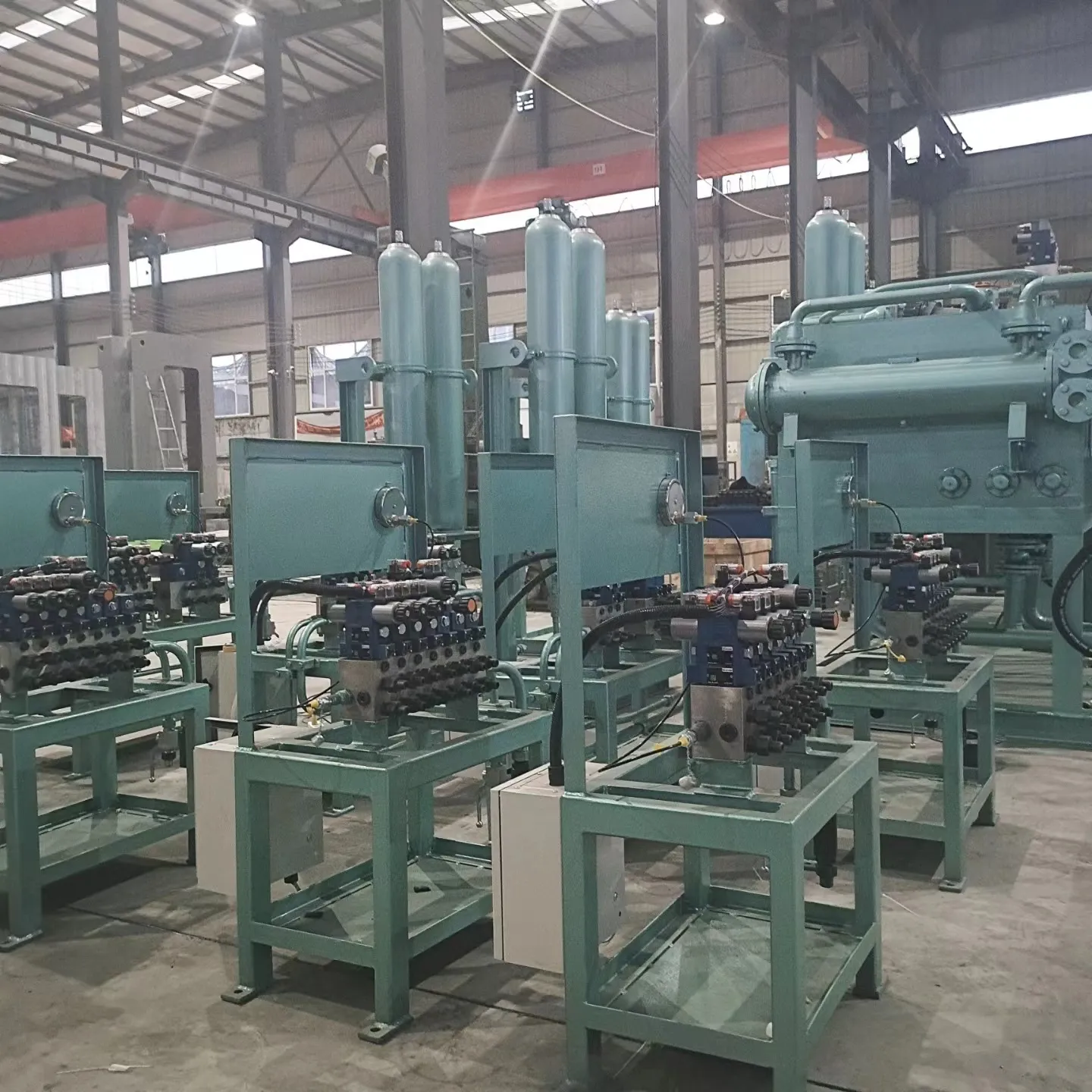
 4hi reversible cold rolling millIn the realm of industrial manufacturing, the steel sheet mill—known in Arabic as مطحنة صفائح الصلب—stands as a cornerstone of global production. These mills are pivotal in shaping the backbone of modern infrastructure and manufacturing sectors. As the demand for steel sheets burgeons, the expertise surrounding these mills becomes indispensable for anyone involved in procurement and supply chain m
 -
 مصيدة الشد ماك ميلرThe Enchantment of The Divine Feminine by Mac Miller Mac Miller, a name synonymous with an artistic evolution that transcends genres, left an indelible mark on the landscape of modern music. In his posthumous album, The Divine Feminine, Miller showcases a deeper, more introspective side of his artistry, intertwining themes of love, spirituality, and vulnerability. The album is not merely a collect
 -
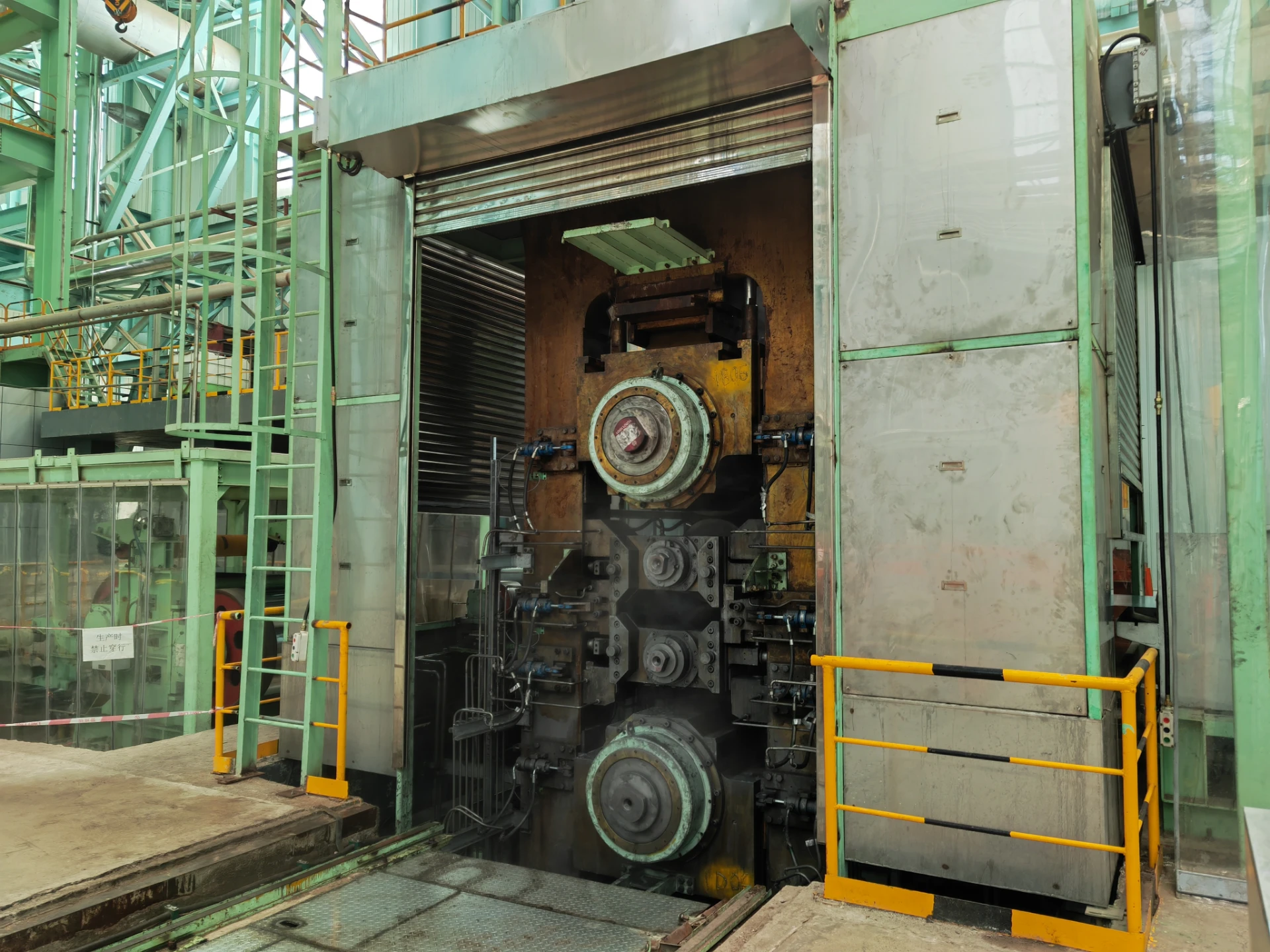 Cold Rolling Mill Machines: Precision and Efficiency in Metal ProcessingIn the metal processing industry, cold rolling mill machine s play a vital role in producing high-quality, precision-engineered metal sheets and strips. These machines enhance surface finish, strength, and dimensional accuracy, making them essential in industries such as automotive, aerospace, construction, and electronics. Among them, 4 high rolling mill s and 6 high rolling mill s are widely use


